
Selecting a cloud and cybersecurity partner for your federal agency is more complex than ticking boxes. You face strict mandates like FedRAMP, NIST 800-53, and RMF, all while racing against timelines to secure an Authority to Operate. This guide breaks down the critical steps you need to evaluate partners who don’t just meet compliance but drive mission success with measurable results. For more information, refer to this guide.
Evaluating Compliance and Security Requirements

Understanding your agency’s needs begins with knowing the key compliance frameworks. These frameworks not only define standards but also assure mission safety. Let’s explore these crucial pillars.
Understanding FedRAMP, FISMA, and NIST
FedRAMP, FISMA, and NIST are crucial in federal cybersecurity. FedRAMP ensures that cloud services meet federal security standards. It offers a standardized approach to security assessment, authorization, and monitoring. FISMA governs how federal information systems must be secured, while NIST provides the guidelines for implementing these measures. Each framework plays a vital role in protecting federal data.
Choosing a partner familiar with these standards is essential. They should guide you through compliance, making the process less daunting. Moreover, a partner with a strong compliance history can help you manage risks effectively. Understanding these frameworks helps ensure your agency’s success.
Zero Trust and Continuous ATO Considerations
Zero Trust is a modern security model. It assumes that threats can come from inside and outside the network. This model requires strict identity verification for every person and device. Implementing Zero Trust helps reduce risks by never trusting, always verifying. Continuous ATO, on the other hand, streamlines the authorization process. It allows for ongoing monitoring and rapid adjustments.
When selecting a partner, ensure they understand Zero Trust and Continuous ATO. A competent partner can integrate these models into your security strategy, providing robust protection. This approach not only enhances security but also ensures compliance with evolving standards.
Importance of TIC 3.0 and CMMC
TIC 3.0 and CMMC are designed to enhance security across federal networks. TIC 3.0 offers a flexible approach, allowing agencies to adapt security measures to their specific needs. It focuses on securing traffic between federal networks and external entities. CMMC ensures cybersecurity maturity among contractors.
A partner knowledgeable in these frameworks can help you implement them effectively. Their expertise ensures your agency remains secure and compliant. Adopting TIC 3.0 and CMMC can safeguard your operations, allowing you to focus on mission success.
Aligning Federal Cloud Solutions

Once compliance is understood, aligning your technology solutions is the next step. This ensures your agency can operate securely and efficiently in the cloud environment.
Selecting FedRAMP-Compliant Providers
Choosing a FedRAMP-compliant provider is non-negotiable. These providers meet rigorous security standards, ensuring your data remains secure. They offer transparency, with regular security assessments and monitoring.
Look for providers with a proven track record of compliance. Their experience in handling federal data is crucial. Partnering with a FedRAMP-compliant provider not only ensures security but also streamlines the authorization process. This choice supports your agency’s goals while maintaining compliance.
AWS GovCloud, Azure Government, and GCC High
AWS GovCloud, Azure Government, and GCC High are tailored for federal needs. AWS GovCloud offers isolated cloud regions, ensuring data sovereignty. Azure Government provides a range of services with compliance in mind. GCC High is designed for defense contractors, meeting strict security requirements.
These solutions offer unparalleled security features. They are built to handle sensitive data and meet compliance standards. Choosing the right one depends on your agency’s specific needs and requirements. Each option provides a secure platform to support your mission-critical operations.
Ensuring Section 508 Compliance and Accessibility
Accessibility is not just a requirement but a responsibility. Section 508 compliance ensures digital content is accessible to all, including people with disabilities. This compliance enhances usability and broadens your agency’s reach.
A partner experienced in Section 508 can guide you through compliance. They ensure your digital products meet accessibility standards. This not only fulfills legal obligations but also enhances the user experience. Ensuring accessibility is crucial for mission success and public trust.
Preparing for Successful Cloud Migration
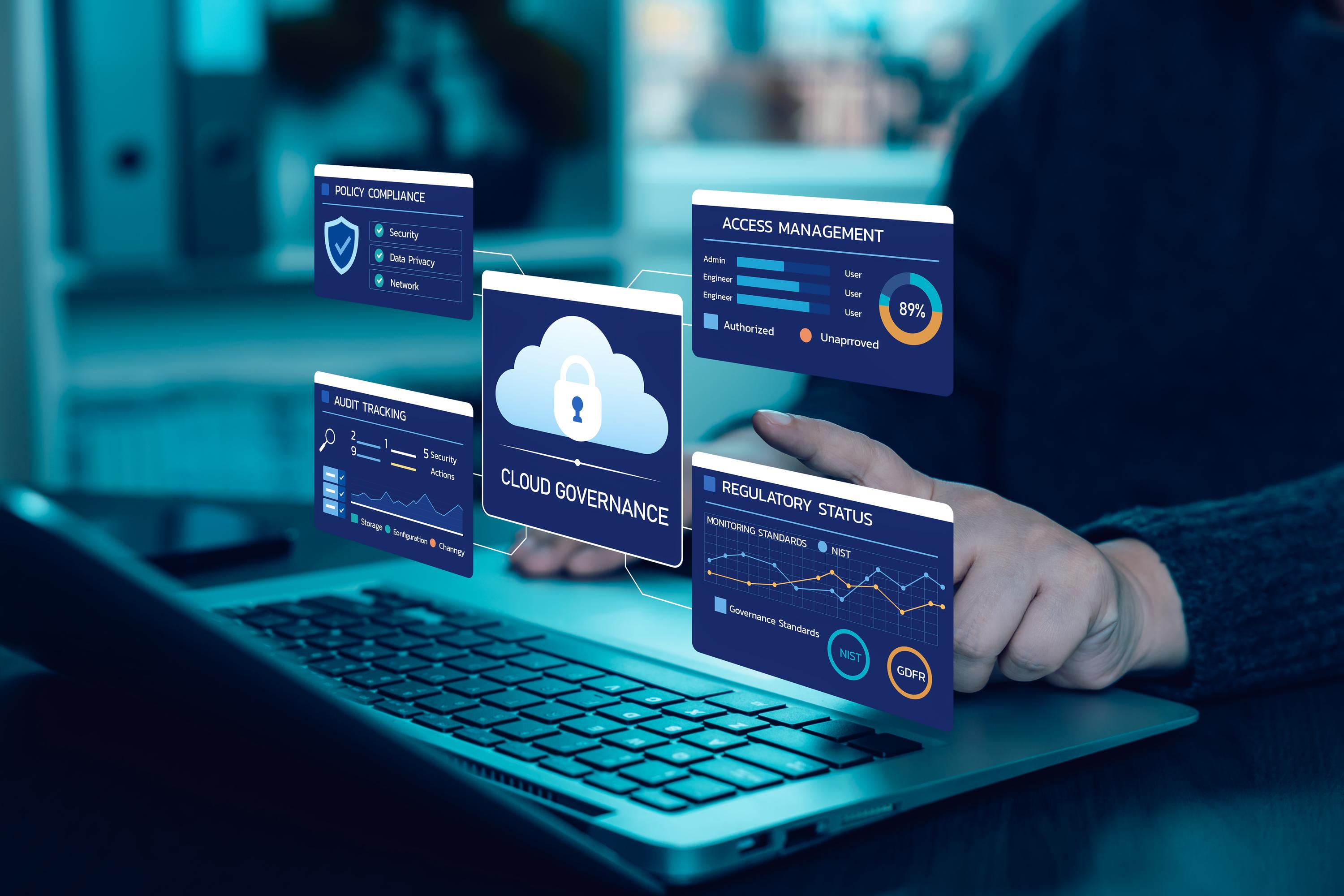
With the right solutions in place, focus shifts to preparing for a successful migration. A well-planned migration minimizes disruptions and maximizes benefits.
Crafting a Risk Management Framework
A solid Risk Management Framework (RMF) is essential. It identifies potential risks and outlines strategies to mitigate them. This framework ensures a structured approach to managing security risks.
Your partner should assist in developing an RMF tailored to your agency’s needs. Their expertise ensures all potential risks are addressed. A comprehensive RMF supports a smooth transition to the cloud, safeguarding your mission and data.
Key Management and Data Encryption Strategies
Managing encryption keys is critical for data security. Effective key management ensures only authorized users can access sensitive data. Encryption adds an extra layer of protection, safeguarding information from unauthorized access.
Select a partner with expertise in key management and encryption. They should provide solutions that integrate seamlessly with your existing systems. This ensures data security throughout the migration process. Proper key management and encryption are vital for maintaining data integrity and confidentiality.
Disaster Recovery and Business Continuity Planning
Disaster recovery and business continuity are crucial for minimizing downtime. These plans ensure your agency can quickly recover from disruptions. They outline procedures for data recovery and maintaining operations.
A reliable partner will help develop and test these plans. Their experience ensures your agency is prepared for unexpected events. Disaster recovery and business continuity planning are essential for mission resilience and success.
In conclusion, choosing the right cloud and cybersecurity partner involves understanding compliance requirements, aligning solutions, and preparing for migration. By focusing on these areas, your agency can secure its operations and achieve its mission effectively.