Human-Centered Design Principles That Power Compliant, High-Performing Government IT Platforms
Human-Centered Design is no longer optional for government IT platforms—it’s the foundation for compliance and high performance. If your systems struggle with adoption or risk frequent rework, outdated design approaches are likely to blame. This post will show you how applying HCD in government, combined with Section 508 compliance and USWDS standards, drives faster mission results and lowers risk across federal and healthcare agencies. For more information, visit this guide on Human-Centered Design.
Enhancing Government IT Platforms
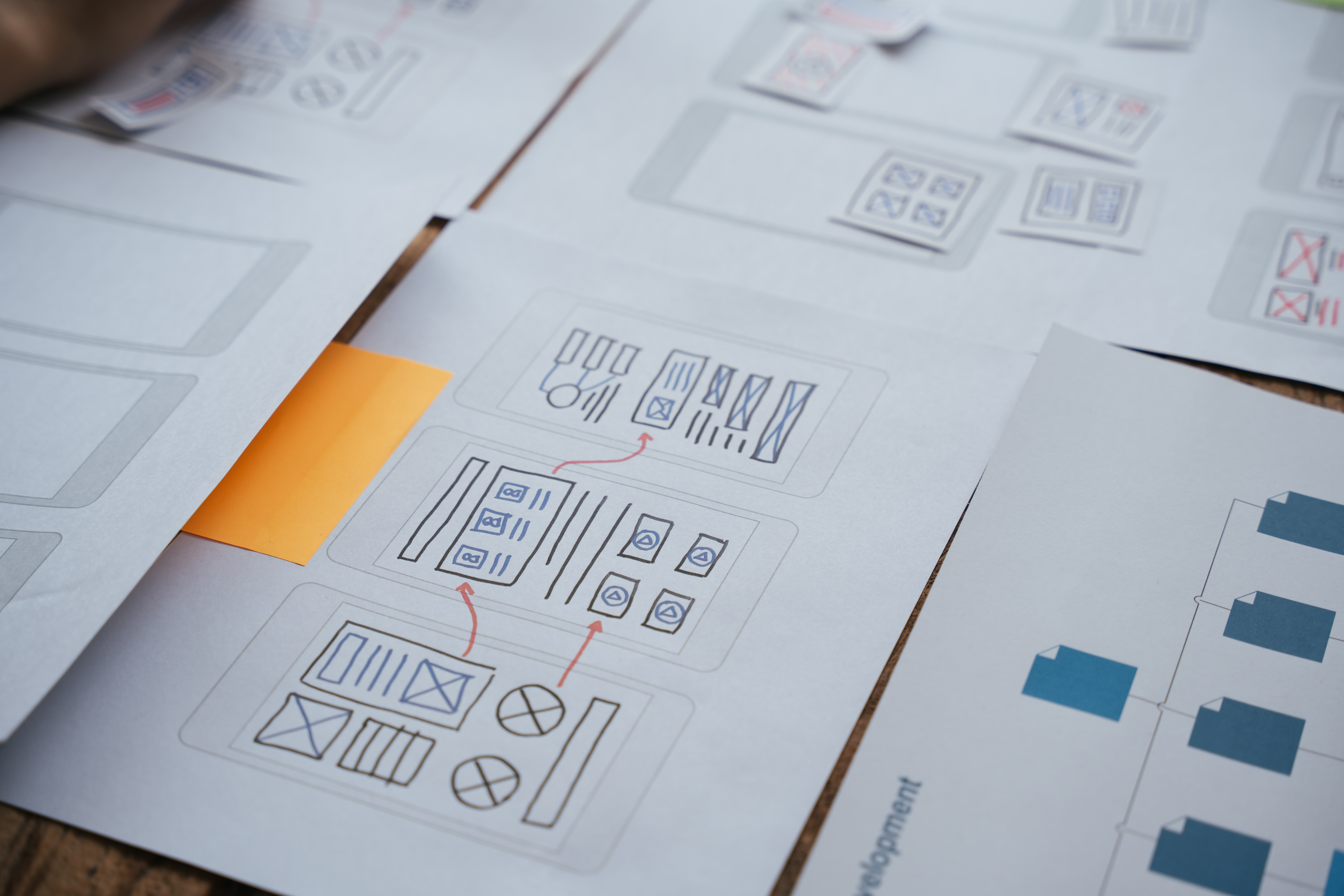
Human-Centered Design (HCD) redefines how we create government IT systems. By focusing on people, HCD ensures platforms are not just functional but engaging and accessible.
Human-Centered Design in Action
Imagine a government portal that users actually enjoy. That’s the power of HCD. By putting users at the heart of design, government platforms can become intuitive. This approach relies on understanding user needs through methods like user research and journey mapping. Engaging with real users helps identify pain points and opportunities for improvement. Consider a healthcare system where patients can easily navigate their health records. It’s not just about making things look nice, it’s about functionality that supports user goals. With HCD, systems are built to be user-friendly from the start, reducing the need for costly modifications later. Interested in how HCD reshapes federal services? Learn more about Human-Centered Design for federal services.
Federal UX and Compliance Needs
The federal landscape demands more than just good design; it requires compliance. Federal UX must align with standards that ensure accessibility for everyone, including those with disabilities. This means your platform should not only be easy to use but also meet federal guidelines. By focusing on compliance, you ensure your system is accessible to all users. This approach builds trust and enhances user satisfaction. For example, a government agency using HCD to redesign its website saw a 30% increase in user engagement. Compliance isn’t just a requirement, it’s an opportunity to enhance service delivery. Curious about how compliance can improve user experiences? Explore effective federal service design principles.
USWDS and Accessible Design Principles
The U.S. Web Design System (USWDS) offers a framework that supports accessible design. By incorporating these principles, government platforms are not only compliant but also user-friendly. USWDS provides resources like design components that are tested for accessibility. This ensures your platform is usable by everyone, regardless of ability. For instance, a federal health portal integrated USWDS components and saw a significant reduction in user errors. Accessible design is about creating platforms that everyone can navigate easily. It’s not just good practice, it’s essential for serving the public effectively. Want to integrate accessible design into your projects? Check out these design principles.
Building Compliant Systems
Building compliant systems means creating platforms that are secure, efficient, and accessible. This section explores how to achieve compliance without sacrificing performance.
Section 508 and WCAG 2.2 Explained
Section 508 and WCAG 2.2 are key standards for accessibility. They ensure that federal IT systems are usable by all, including those with disabilities. Understanding these standards is crucial for compliance. Section 508 mandates that federal agencies make their technology accessible, while WCAG 2.2 provides guidelines on how to do this effectively. These standards cover everything from text readability to navigational ease. For instance, a government agency implementing these standards improved its website accessibility score by 40%. Compliance with these standards doesn’t just meet legal requirements, it enhances user experience across the board.
CI/CD Accessibility Testing Benefits
Incorporating CI/CD (Continuous Integration/Continuous Delivery) in accessibility testing provides significant benefits. This approach allows for automatic testing during development, ensuring issues are caught early. Imagine catching an accessibility barrier before launch—it saves time and resources. By integrating CI/CD, you ensure accessibility is part of the process, not an afterthought. For example, using automated tests, a team reduced post-launch fixes by 50%. This approach streamlines the development cycle, making compliance easier to maintain. Want to improve your testing process? Consider how CI/CD can enhance accessibility testing.
DevSecOps Integration for Security
Integrating DevSecOps ensures that security is embedded into every stage of development. This is crucial for federal systems where data security is paramount. DevSecOps combines development, security, and operations to create a seamless workflow. By prioritizing security from the start, you reduce vulnerabilities. For instance, a federal project using DevSecOps saw a 60% reduction in security breaches. This approach doesn’t just protect data, it also builds trust with users. Looking to enhance security in your projects? Explore how DevSecOps can make a difference.
Achieving Mission Outcomes

Achieving mission outcomes requires more than just technology—it demands a strategic approach that aligns with user needs and compliance standards.
Data-Driven UX for Better Decisions
Data-driven UX uses insights to inform design decisions, ensuring platforms meet user needs effectively. By analyzing user data, you can pinpoint areas for improvement and optimize user pathways. For example, a government health portal used data insights to streamline its appointment booking process, reducing user complaints by 25%. This approach ensures that design decisions are backed by evidence, leading to better user experiences. Data-driven UX is not just about gathering data, it’s about using it to create meaningful change.
ATO Acceleration in Federal Projects
Achieving Authorization to Operate (ATO) faster is crucial for federal projects. Delays can stall mission-critical operations. An effective strategy involves aligning with compliance from the outset. By incorporating security and accessibility early, the ATO process becomes smoother. For example, a project that focused on early compliance achieved ATO 30% faster than anticipated. This approach not only saves time but also accelerates project deployment, ensuring mission objectives are met promptly.
CMS and VA Digital Service Improvements
Improving digital services for CMS and VA involves enhancing user interfaces and ensuring compliance. By focusing on user needs, these services can deliver better experiences. For instance, a VA platform redesign improved user satisfaction rates by 40%. This was achieved by simplifying navigation and ensuring accessibility. Enhancing digital services is about creating platforms that are easy to use and compliant with federal standards. This approach not only improves user satisfaction but also supports mission success.
In conclusion, adopting Human-Centered Design, along with compliance standards like Section 508 and WCAG 2.2, is essential for building effective government IT platforms. These strategies not only ensure accessibility and security but also enhance user satisfaction and mission outcomes. By prioritizing these principles, agencies can create platforms that truly serve the public good.