
FedRAMP First: Securing Cloud Migration for Defense and Healthcare Missions
FedRAMP is not just a checkbox—it’s the backbone of secure cloud migration for defense and healthcare missions. When your cloud environment meets FedRAMP Moderate or High standards, you reduce risk and accelerate Authorization to Operate (ATO) without compromising compliance. In this post, you’ll learn how FedRAMP’s rigorous controls, paired with ASG’s expertise, ensure your migration stays secure, efficient, and mission-ready. Learn more about FedRAMP compliance and its importance in cloud security.
Understanding FedRAMP for Cloud Security
Securing cloud environments is crucial, especially in defense and healthcare. FedRAMP plays a vital role in this process. Let’s explore why its compliance is imperative.
Importance of FedRAMP Compliance
FedRAMP ensures cloud services meet rigorous security standards. For you, this means peace of mind knowing data is protected. Agencies must comply to avoid security breaches that can have severe consequences.
Compliance helps you build trust with stakeholders. When your organization meets FedRAMP standards, it signals commitment to security and reliability. This trust is crucial when handling sensitive information.
Moreover, FedRAMP compliance can simplify your operations. By adhering to these standards, you reduce the need for multiple security assessments, saving time and resources. Embracing these measures is a proactive step towards robust cloud security.
Key Benefits for Defense and Healthcare
For defense and healthcare sectors, the stakes are high. Data breaches can jeopardize national security or patient safety. FedRAMP minimizes these risks by enforcing stringent controls.
Adopting FedRAMP standards accelerates cloud migrations. It reduces approval times, enabling you to deploy solutions faster without compromising security. This swift deployment is essential in dynamic environments.
Additionally, meeting these standards can lead to cost savings. Avoiding breaches means fewer fines and legal battles. Investing in compliance upfront is a smart financial decision, protecting both your budget and reputation.
Accelerating Authorization to Operate (ATO)

With security established, focus shifts to speeding up the ATO process. This is where frameworks and innovative practices come into play.
Role of NIST SP 800-53 Rev 5
NIST SP 800-53 Rev 5 is integral to the ATO process. It provides a comprehensive set of controls that help secure your systems. Implementing these controls ensures compliance with federal standards.
By aligning with NIST guidelines, your organization demonstrates a commitment to security best practices. This commitment can simplify the ATO process, as authorities see your proactive approach to risk management.
Moreover, using NIST standards helps you stay current with evolving threats. Regular updates ensure your security posture adapts to new challenges, maintaining resilience in a fast-changing landscape.
Streamlining with DevSecOps and Automation
Integrating DevSecOps into your operations enhances efficiency. This approach combines development, security, and operations, fostering collaboration and speed. Automation is key to this integration.
Automating routine tasks frees up valuable resources. Your team can focus on strategic initiatives rather than repetitive processes. This not only speeds up delivery but also improves quality by reducing human errors.
Adopting DevSecOps requires a cultural shift. Encourage collaboration across teams to break down silos. This unified approach leads to more secure and agile deployments, ensuring your cloud environment remains robust.
Ensuring Secure Cloud Migrations
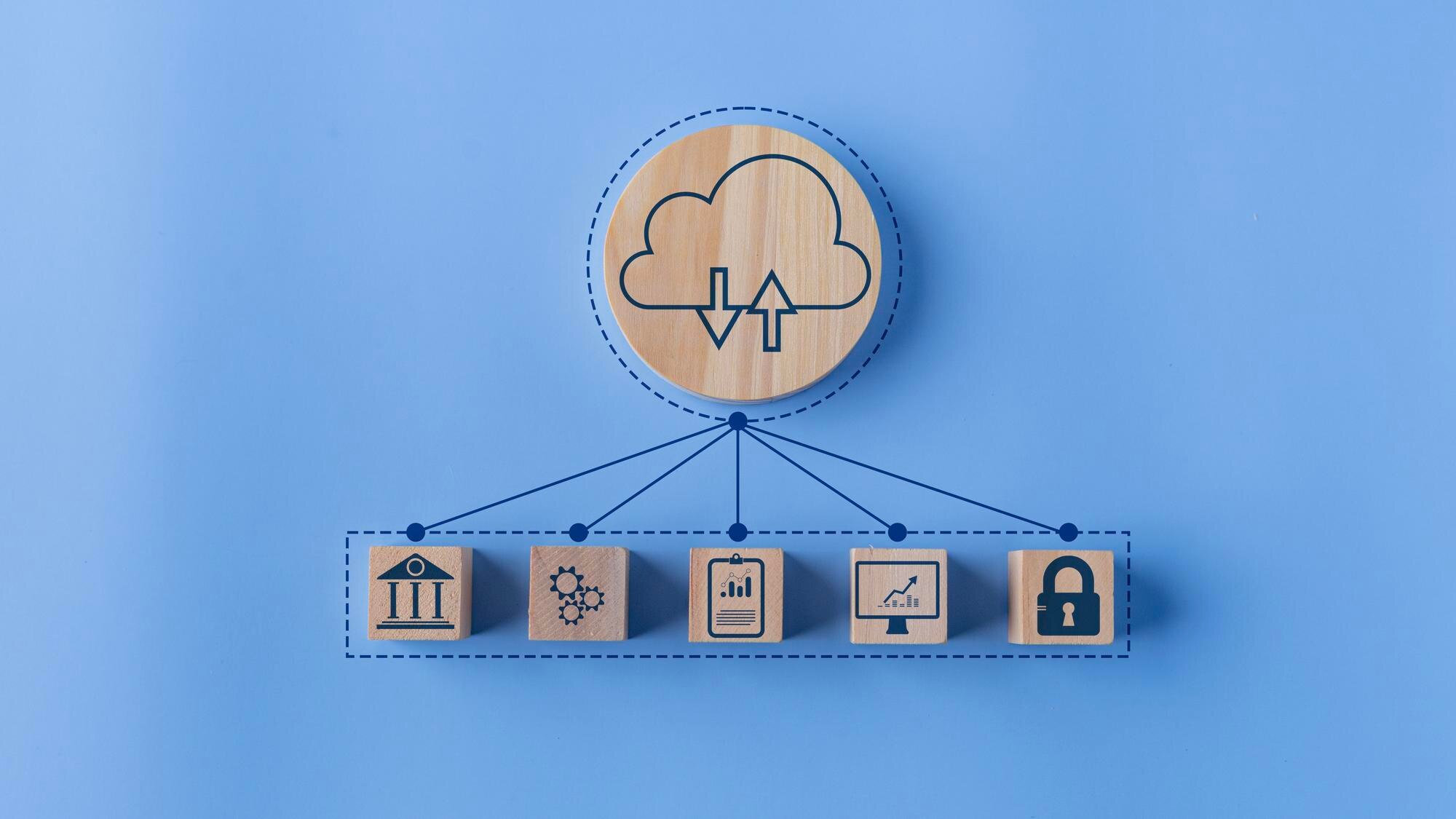
With ATO processes streamlined, attention turns to maintaining security during cloud migrations. Implementing modern frameworks is crucial.
Implementing Zero Trust Architectures
Zero Trust shifts the focus from perimeter-based security to resource-centric. This means every access request is verified, regardless of origin. It’s a proactive approach that minimizes potential breaches.
By adopting Zero Trust, you ensure that no device or user is inherently trusted. This reduces insider threats and limits lateral movement within your network, protecting sensitive data.
Transitioning to Zero Trust requires careful planning. Start by identifying critical assets and defining access policies. Gradually implement these policies to manage change effectively and maintain operational stability.
Continuous Monitoring and 3PAO Assessment
Continuous monitoring is vital for proactive threat detection. It involves real-time analysis of security events, allowing you to respond swiftly. This approach keeps your defenses alert and ready.
3PAO assessments provide an external perspective on your security posture. These assessments identify gaps in your defenses, offering actionable insights for improvement. Regular evaluations ensure compliance with FedRAMP standards.
By combining continuous monitoring with 3PAO assessments, you maintain a strong security posture. This dual approach ensures your cloud environment remains secure, compliant, and ready to support mission-critical operations.