
Zero Trust in Action: Implementing NIST‑Aligned Security for Mission‑Critical Government Systems
Zero Trust is no longer optional for mission-critical government systems—it’s the standard. Your agency faces mounting threats while navigating complex mandates like NIST SP 800-207 and EO 14028. This post outlines how you can apply a NIST-aligned Zero Trust Architecture to secure hybrid environments, reduce risk, and maintain continuous Authority to Operate. Read on to see how ASG’s proven playbook can guide your next steps toward resilient, compliant security. For more information, explore this Zero Trust guidance for critical infrastructure.
Operationalizing Zero Trust Frameworks

Understanding how to transform complex security mandates into actionable strategies is crucial. Let’s break down how you can apply these frameworks to enhance your security posture.
Understanding NIST SP 800-207
NIST SP 800-207 forms the backbone of your security efforts, setting the standards for a Zero Trust Architecture (ZTA). At its core, it emphasizes the continuous validation of user access. This means every access request is treated as though it originates from an open network.
-
Access Control: Each user must continuously verify their identity, reducing unauthorized access risks.
-
Data Protection: Data is secured at every access point, ensuring confidentiality.
For more on Zero Trust implementation, refer to this CISA guideline.
Integrating Executive Order 14028
Executive Order 14028 accelerates the push for robust cybersecurity. It mandates agencies to adopt strong security measures swiftly. The directive demands:
-
Enhanced Threat Intelligence: Agencies must improve their threat detection capabilities.
-
Incident Response: Establish clear protocols for addressing breaches.
To explore how these elements intersect with Zero Trust, check out this Executive Order guide.
Aligning with CISA Maturity Model
The CISA Maturity Model provides a roadmap for achieving a mature security posture. It ensures that security measures evolve alongside emerging threats. This involves:
-
Regular Assessments: Frequent evaluations of your security framework to identify gaps.
-
Capability Building: Strengthening your systems’ ability to resist and recover from attacks.
Learn more about this model in the CISA Zero Trust resource.
Key Components of Zero Trust Architecture
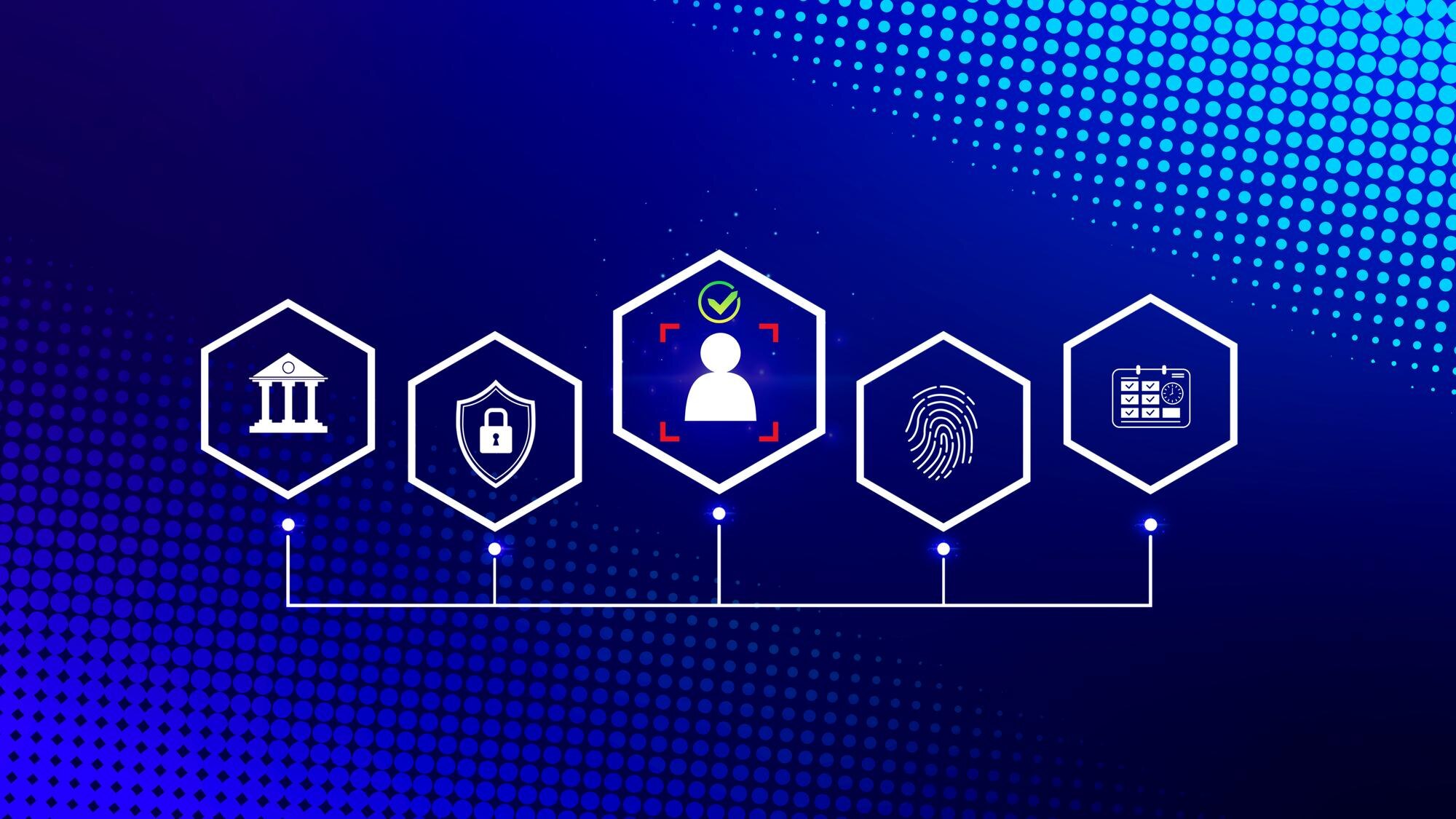
These components serve as the pillars of a resilient and secure architecture, offering a comprehensive approach to modern security challenges.
Identity Governance and ICAM Modernization
Identity governance is crucial for protecting sensitive information. Integrating Identity, Credential, and Access Management (ICAM) systems modernizes how you manage user identities.
-
User Verification: Every user must prove their identity continuously, ensuring only authorized access.
-
Role Management: Assign roles specific to job functions, minimizing unnecessary data access.
Proper identity governance reduces the risk of data breaches through strict control measures.
Microsegmentation and Least Privilege
Microsegmentation creates isolated network segments, reducing the attack surface. This strategy pairs well with the principle of least privilege.
-
Network Isolation: Limits lateral movement within your network, preventing widespread breaches.
-
Access Control: Users only access what they need, minimizing potential exposure.
Implementing these principles ensures tighter control over your network, enhancing security.
Continuous Verification and Monitoring
Continuous verification ensures that security measures are always active and effective. Monitoring systems must detect anomalies in real time.
-
Real-Time Analysis: Systems like SIEM and SOAR offer proactive threat detection.
-
Adaptive Responses: Automated responses to threats ensure faster containment.
This approach keeps your security measures responsive and adaptive to new threats.
Achieving Compliance and Efficiency

To maintain a secure environment, understanding compliance requirements is crucial. This section will guide you through the intricacies of meeting these standards.
Navigating FedRAMP and FISMA Requirements
FedRAMP and FISMA outline standards for securing federal systems. Adhering to these requirements ensures data protection and system integrity.
-
Standardized Security Controls: Implement controls that meet federal security standards.
-
Regular Audits: Conduct frequent assessments to ensure ongoing compliance.
These measures maintain a consistent security baseline across federal systems.
Implementing TIC 3.0 and Risk Management Framework
The Trusted Internet Connections (TIC) 3.0 initiative enhances security for cloud and hybrid environments. It complements the Risk Management Framework (RMF) by:
-
Improving Cloud Security: Establishing secure connections between cloud environments.
-
Risk Assessment: Continuously evaluating potential vulnerabilities.
Together, TIC 3.0 and RMF enhance security while supporting operational efficiency.
Enhancing Cloud Security in Hybrid Environments
Securing hybrid cloud environments requires a balanced approach. Blending robust security with operational flexibility is essential.
-
Data Encryption: Encrypt data both at rest and in transit to ensure confidentiality.
-
Access Management: Implement strict access controls tailored to cloud infrastructures.
Focusing on these areas strengthens your cloud security posture, supporting both compliance and efficiency.
By understanding and applying these principles, you can effectively operationalize a Zero Trust framework. This ensures your systems remain secure, compliant, and ready to face emerging threats.