
Revolutionizing Healthcare IT: The Impact of AI and Machine Learning
Healthcare IT systems often struggle to keep pace with growing demands for compliance, security, and patient-centered care. You face mounting pressure to improve IT performance without compromising regulatory standards or operational stability. This post explains how AI in healthcare and Machine Learning can streamline your infrastructure, sharpen data analytics in healthcare, and support patient care technology — all while meeting federal IT solutions requirements.
Enhancing IT Performance with AI

Artificial Intelligence is changing the way healthcare IT systems operate, offering new paths to improve performance without sacrificing security or compliance.
Boosting Data Analytics in Healthcare
AI is revolutionizing how you handle data. Imagine processing vast amounts of information quickly, finding patterns, and making informed decisions. AI provides this power. It turns raw data into insights that can help enhance patient outcomes and streamline operations.
Let’s say a healthcare provider uses AI to analyze patient records. The system can spot trends in treatment effectiveness, helping doctors tailor care plans. A study from PMC found that AI can reduce data processing time by up to 50%, freeing up valuable time and resources.
The longer you wait to integrate AI into your data processes, the more opportunities for improvement you might miss. Remember, patient care technology and IT performance improve significantly when data analytics are prioritized.
Streamlining Patient Care Technology
AI streamlines patient care by automating routine tasks. This not only frees up your staff but also reduces error rates. Consider the impact of AI in scheduling systems. It efficiently allocates resources, ensuring that patient needs are met promptly.
A hospital that implemented an AI scheduling tool reported a 30% increase in appointment availability. That’s a substantial improvement, directly impacting patient satisfaction and care delivery. As AI takes on more administrative tasks, healthcare professionals can focus on what they do best—caring for patients.
Ensuring Compliance with AI Solutions

Compliance is a significant concern in healthcare. AI can help you navigate these challenges while maintaining high standards.
Meeting Healthcare Compliance Standards
AI systems are tailored to meet rigorous compliance standards. By using AI, you can ensure your processes align with necessary legal and ethical requirements. A JAMA article highlights how AI can manage compliance checks more efficiently than traditional methods.
Remember, compliance isn’t just a box to tick—it’s a critical component of patient trust and safety. AI helps you maintain that trust by ensuring your systems are always up-to-date with the latest regulations.
Navigating Federal IT Solutions
Navigating the complexities of federal IT requirements can be daunting. AI offers solutions that simplify this process. It ensures your systems are not only compliant but also optimized for performance.
For instance, AI can automate the documentation needed for federal audits, reducing the risk of non-compliance. A study found that automation cut audit preparation time by 40%. This efficiency leaves you more time to focus on patient care rather than paperwork.
Driving Operational Efficiency
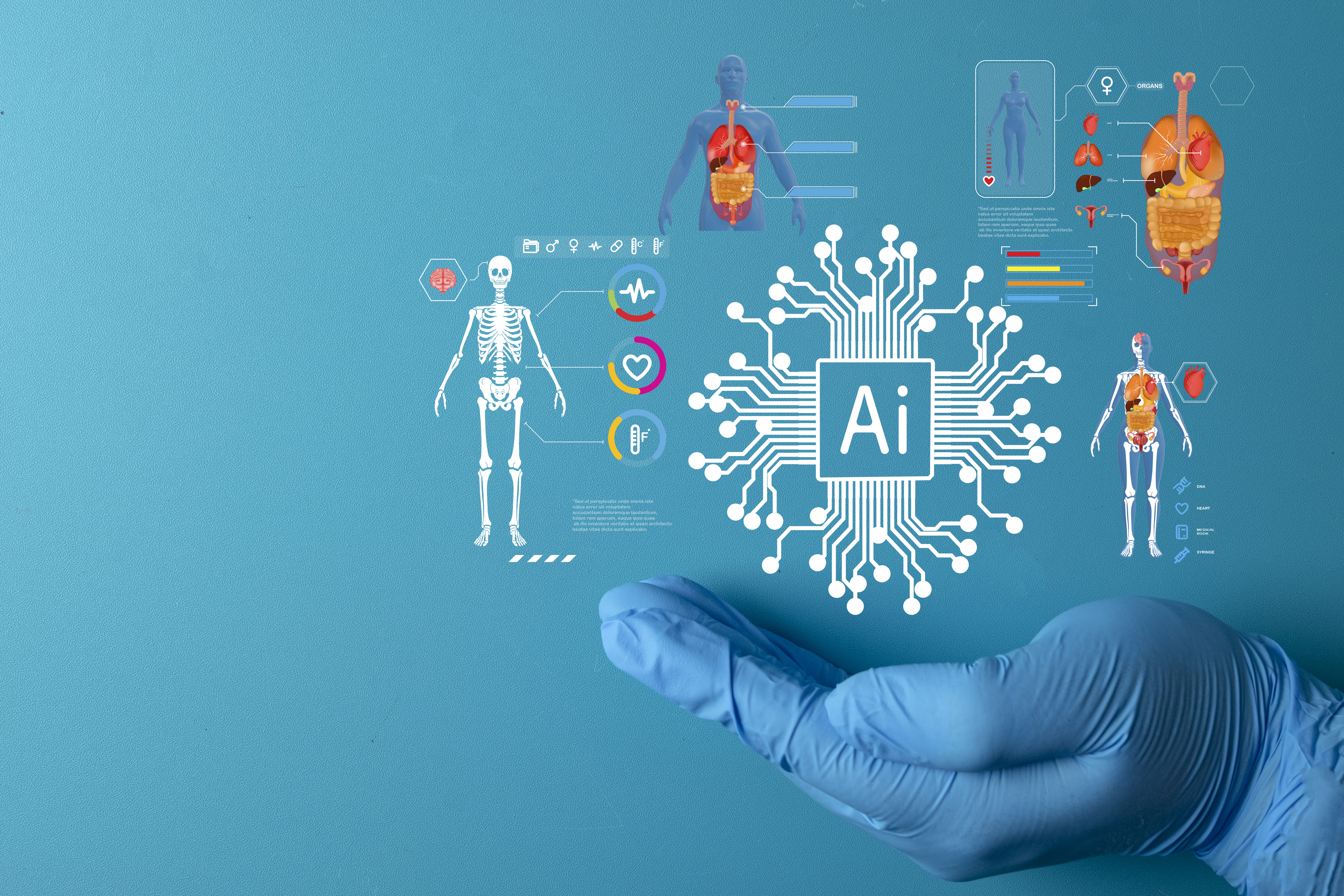
AI isn’t just about data and compliance—it’s a catalyst for operational efficiency in healthcare.
AI-Driven Solutions in Healthcare
AI-driven solutions can transform how your organization operates. From reducing wait times to improving diagnostic accuracy, these technologies offer tangible benefits. One key insight: AI systems can predict patient admission rates, allowing for better resource planning.
Most healthcare providers think they’re operating efficiently, but AI can reveal hidden inefficiencies. By analyzing workflow patterns, AI uncovers areas for improvement that might not be obvious.
Empowering Healthcare Innovation
AI empowers you to innovate like never before. By facilitating research and development, AI accelerates the creation of new treatment methods and technologies. This is where the true power of AI lies. It helps you stay at the forefront of medical innovation.
A report from the AHA Center for Health Innovation shows how AI can increase revenue cycle management efficiency by 20%. Such advancements not only enhance financial health but also pave the way for continued innovation in patient care technology.
In summary, AI and Machine Learning are pivotal in revolutionizing healthcare IT. They enhance data analytics, streamline patient care, ensure compliance, and drive operational efficiency. Embracing these technologies not only improves IT performance but also supports the overarching goal of delivering superior patient care.